
Sound Familiar
You know when the moment has arrived. The signal is usually a decision you cannot make with confidence, an opportunity you cannot act on with speed, or a hire you cannot justify making. The situation is clear. The response is not.
Most brands wait. They tell themselves they will figure it out. They gather what they can. They make the call anyway.
The waiting has a cost. Not usually a headline cost. A quieter one. A launch that landed softer than it should have. A retailer conversation that went a different direction. A category read that arrived after the decision was already made. The compounding cost of intelligence that was never in the room.
Bet The Brand
Every consumer brand makes a decision each year that cannot be un-made. The packaging redesign. The line review pitch. The national launch. The price change. The label update. Each one is a bet on what the market wants.
Most brands make those bets with conviction. Few make them with intelligence.
The decisions that feel right inside the building are the ones most likely to fail outside it. Nielsen puts new CPG product failure at seven in ten. The corporate graveyard is not full of brands that lacked passion. It is full of brands that mistook conviction for evidence.
The False Choice
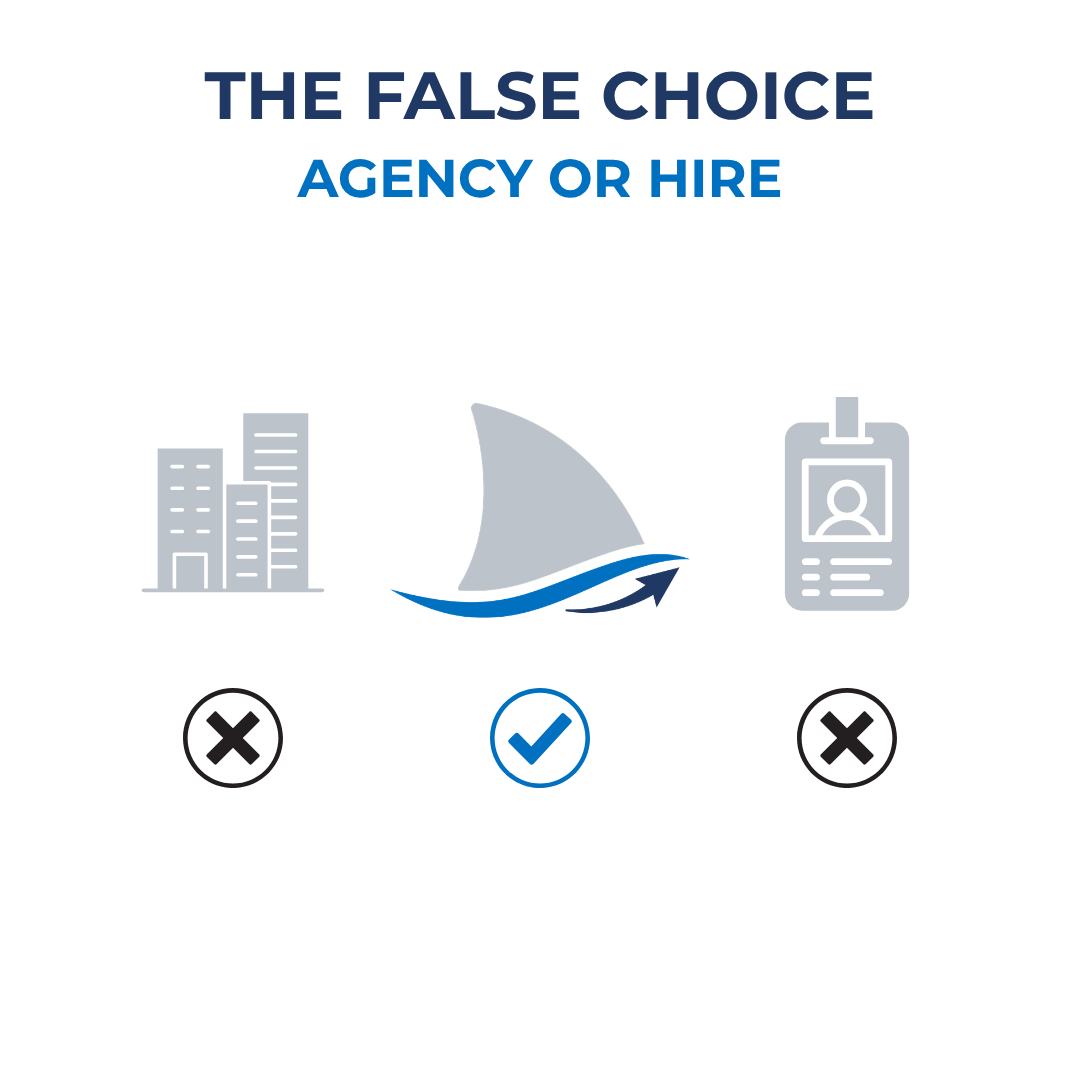
Growing consumer brands looking for an intelligence function are usually offered two options. Hire an insights lead. Or hire an agency. Both fail at this stage. Not because the people doing the work are bad. Because the structure is wrong for the decisions a brand at this stage has to make.
The function a growing consumer brand needs is one a senior operator runs. Someone who knows how to move data into insight, insight into decision, and decision into how the business operates. That standard is the lens. The two options on the table miss it in different ways.
The Retainer
Strategy Shark went quiet for a month. That was deliberate.
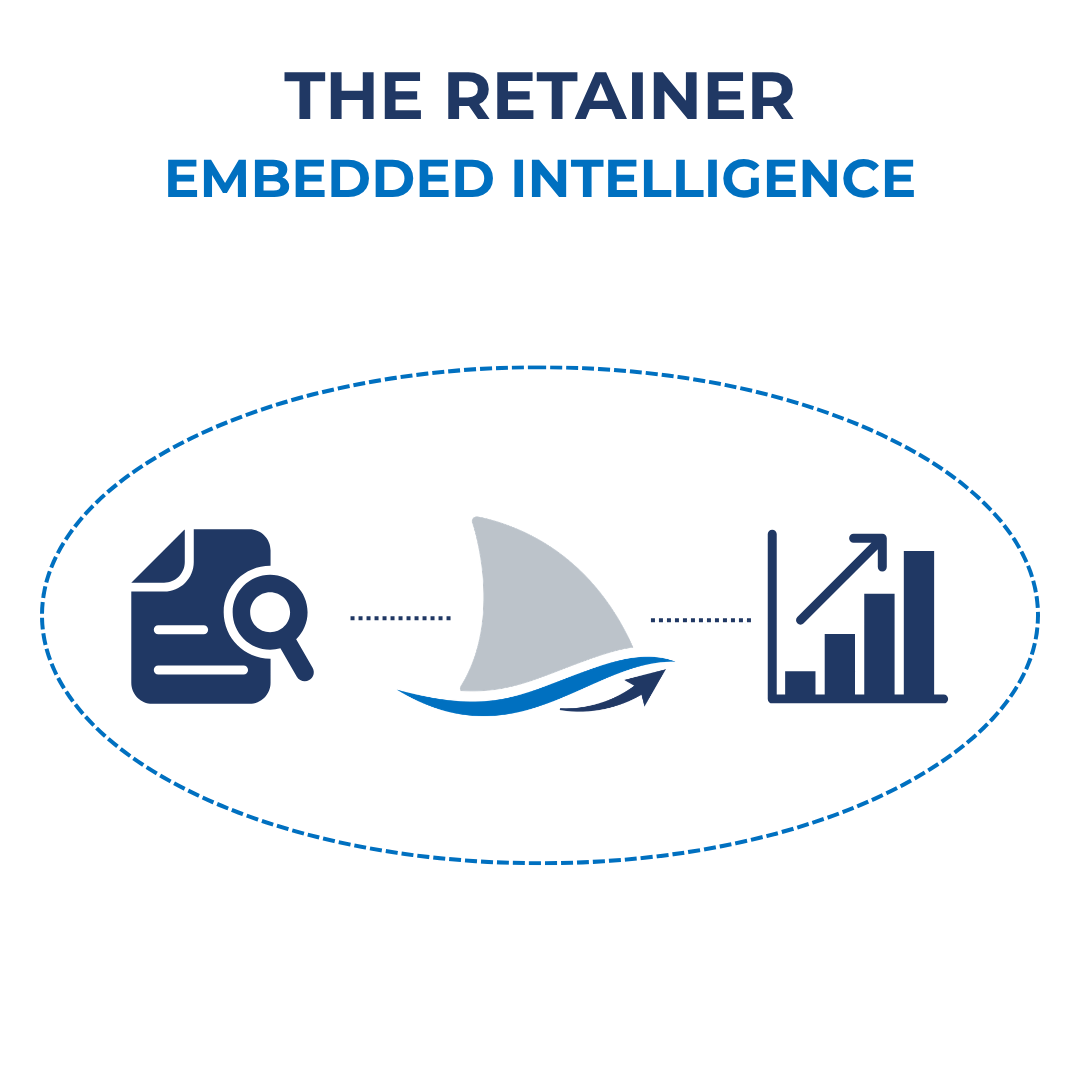
The time went into client work, conversations with founders, and a hard read on what was happening in the market. The same pattern kept coming up. Growing consumer brands are making the biggest calls of their year without the intelligence to back them. Launches. Line reviews. Innovation bets. Pricing moves. Most of these decisions get made on instinct because the data shows up too late, the project costs too much, or nothing connects analytics to research to consumer signal in a way that lasts.
The Story You Keep
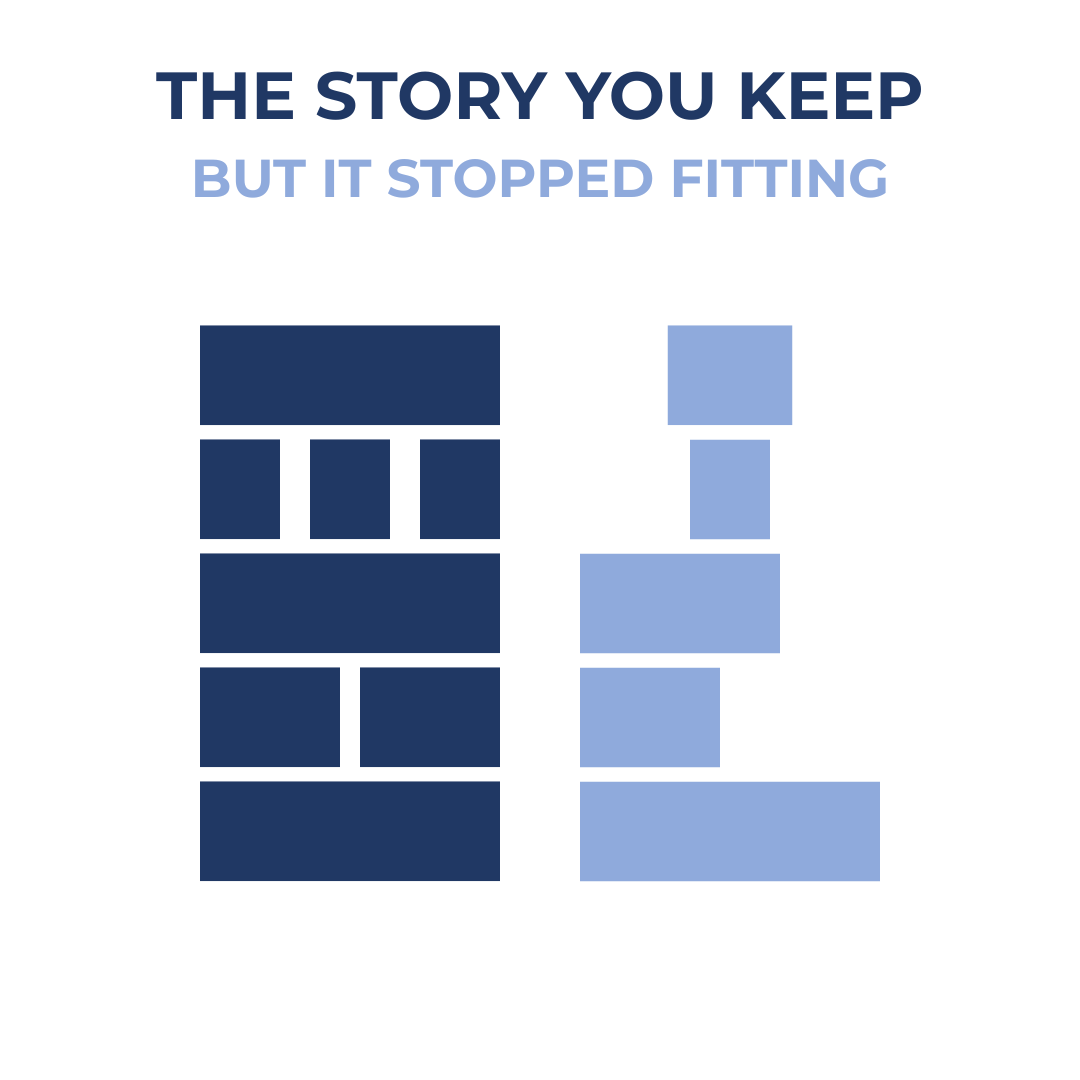
There is a version of your business that made sense when you built it. The thesis was right for the moment. The positioning held. The early decisions that came out of that story were mostly good ones.
Then the data shifted. The category moved. A key assumption turned out to be wrong. The evidence is sitting in front of you. And still, the pivot does not happen. The hard conversation keeps getting deferred.
This is not a strategy problem. It is a story problem. The original thesis is no longer just a business position. It is a piece of your identity. Changing it does not feel like a strategic pivot. It feels like admitting you were wrong about yourself.
Built To Run
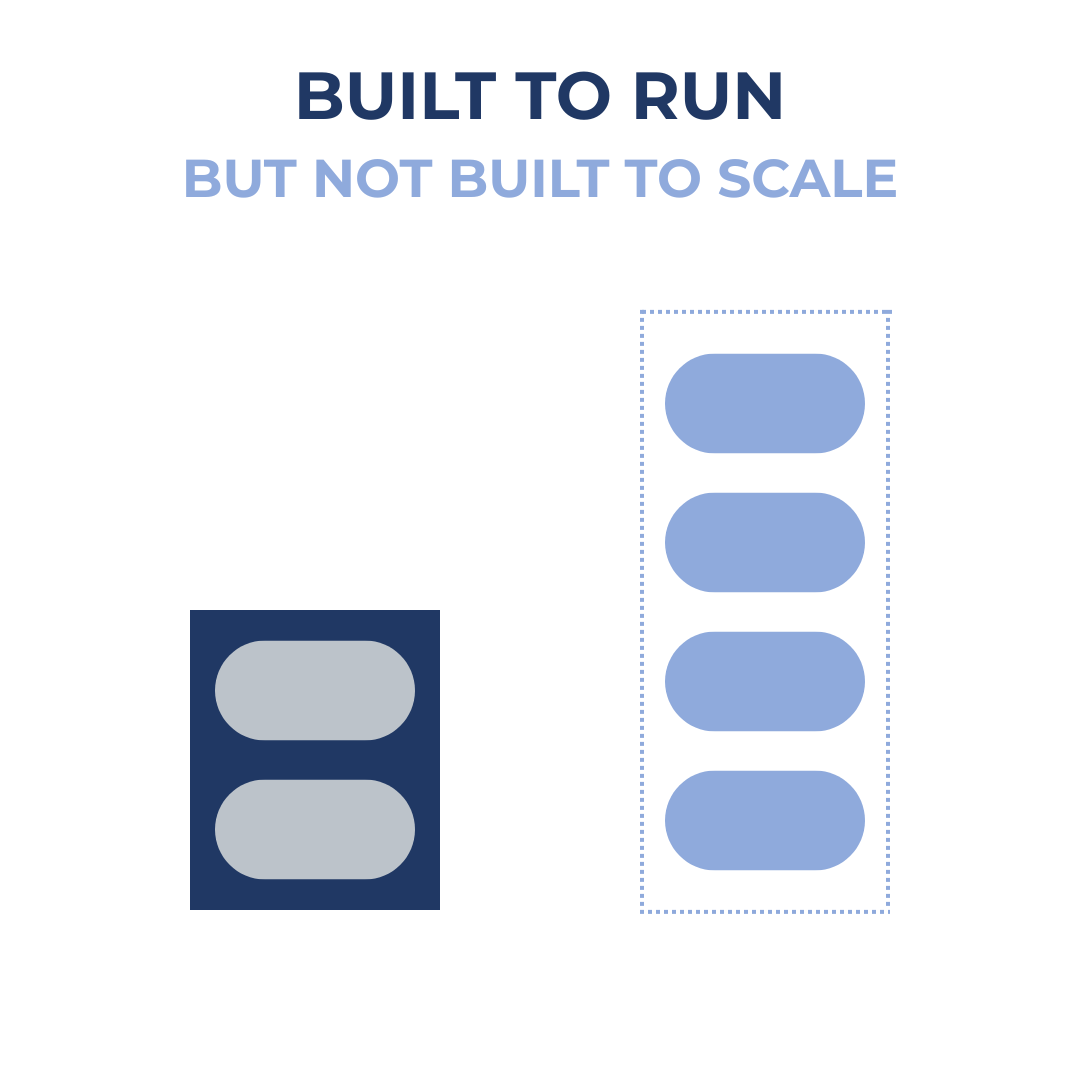
Real revenue. Real margins. Real customers who come back. By every operational measure, it is a good business.
Then they walk into a capital conversation and the response does not match what they built. The meetings are polite. The feedback is vague. They leave confused because nothing they heard explains why a working business is not generating the interest it deserves.
The Execution Tax
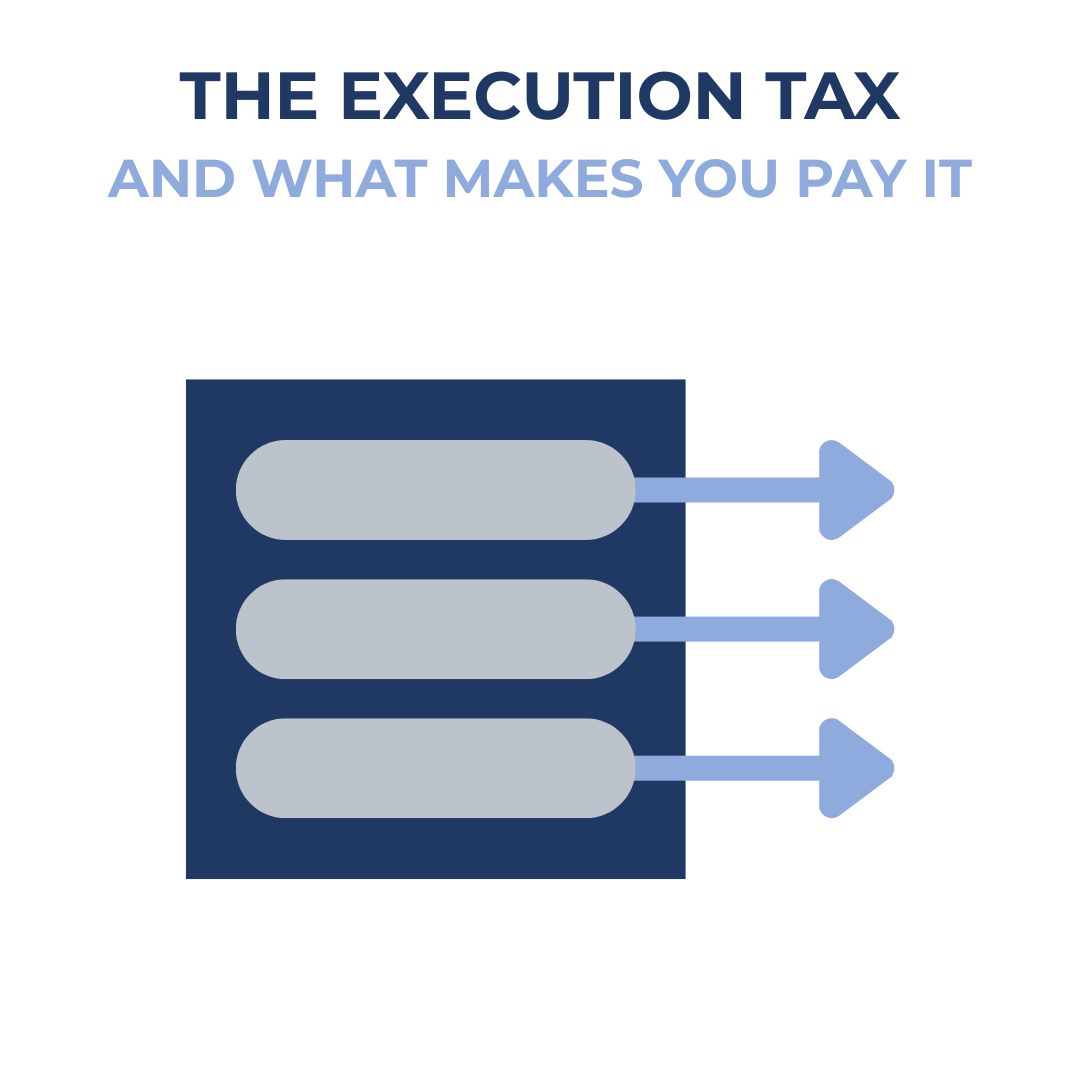
Every business carries an execution tax. It’s the drag created by inconsistent follow-through, broken feedback loops, and the gap between what the plan says and what actually happens on the ground. Some companies pay a low rate. Most pay more than they realize.
The tax doesn’t show up as a line item. It shows up as velocity that stalls out, retail performance that underperforms, campaigns that don’t land, and growth targets that keep getting pushed. Teams work hard. The plan looks solid. But something between decision and result keeps bleeding value.
This isn’t a strategy problem. The strategy is usually fine. It’s an execution discipline problem.
You Are The Ceiling
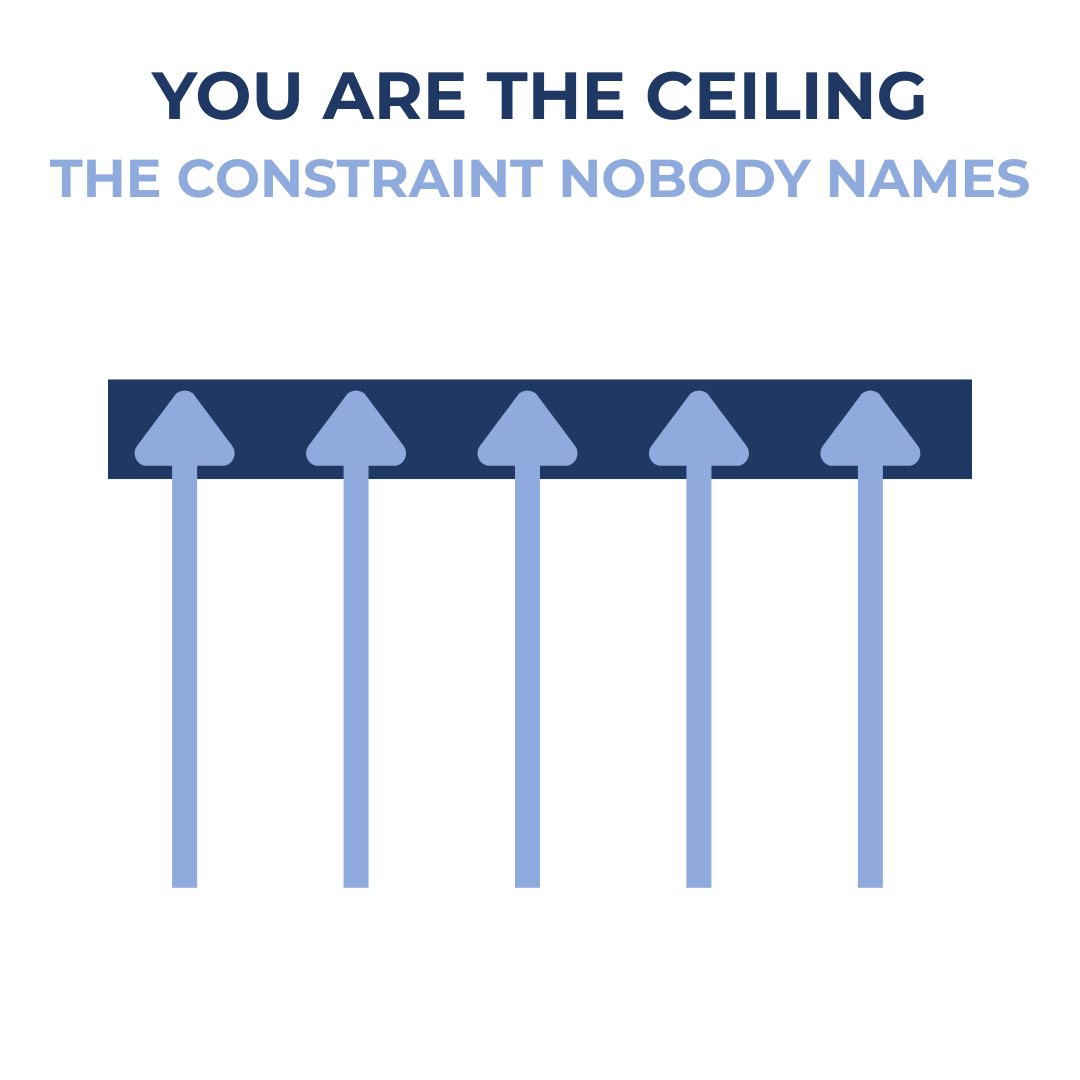
The team is capable. The product is working. The market is there. Growth is stalling anyway.
It does not feel like a leadership problem because the founder is still the hardest working person in the building. Decisions get made. Work gets done. But somewhere between building the company and running it, the operating model stopped scaling with it.
The instincts that got the company here, fast decisions, high ownership, doing it yourself because you knew it best, become structural constraints at a certain size. What worked at ten people creates dysfunction at forty. That is not a character flaw. It is an operating model that never got updated.
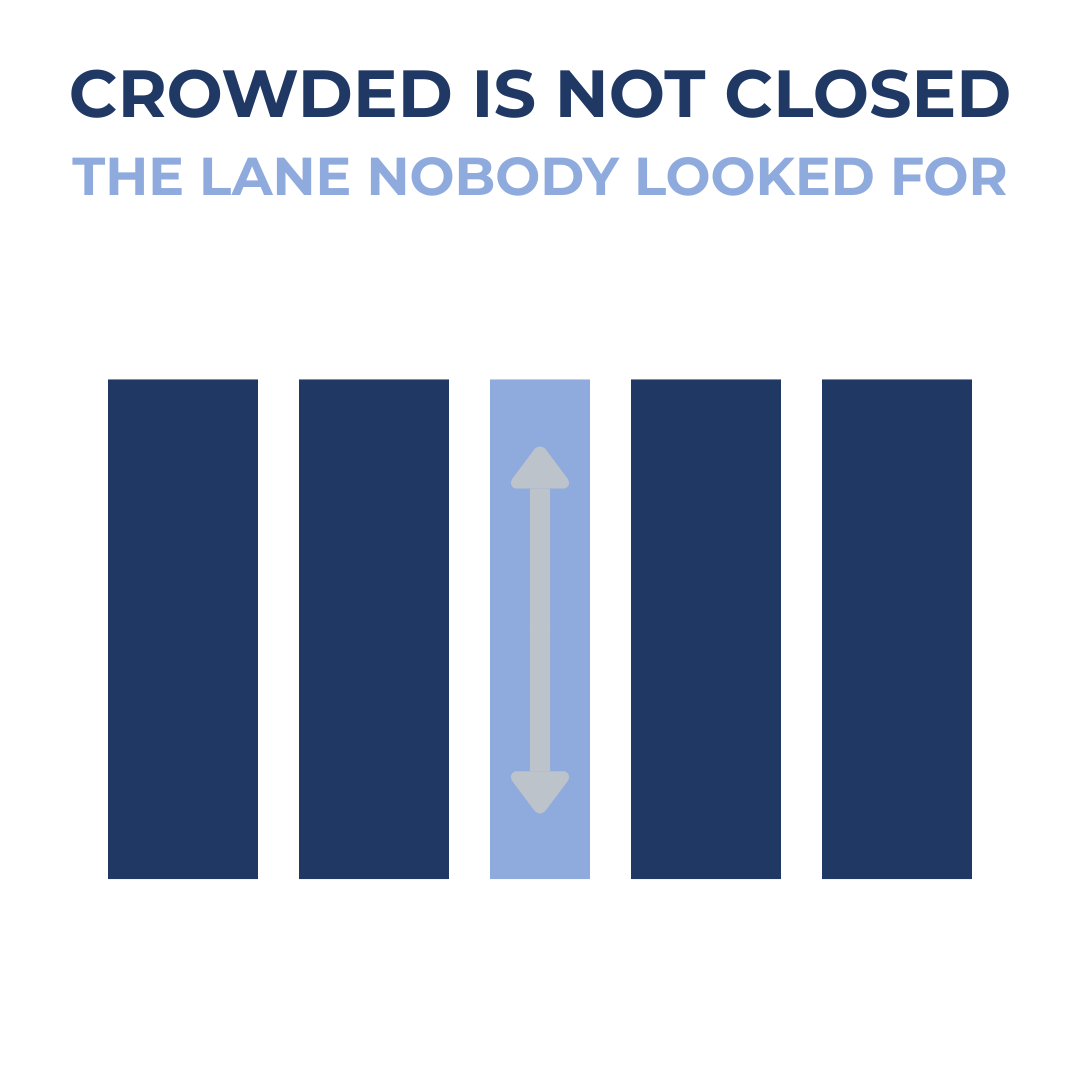
Crowded Is Not Closed
The category looks full, so founders move on. Too many players, too much noise, not enough obvious room. The instinct is to find something newer, something with less competition and more perceived upside. So they spend cycles chasing white space that does not exist yet, trying to build demand from scratch.
The category was not the problem. The assumptions inside it were.
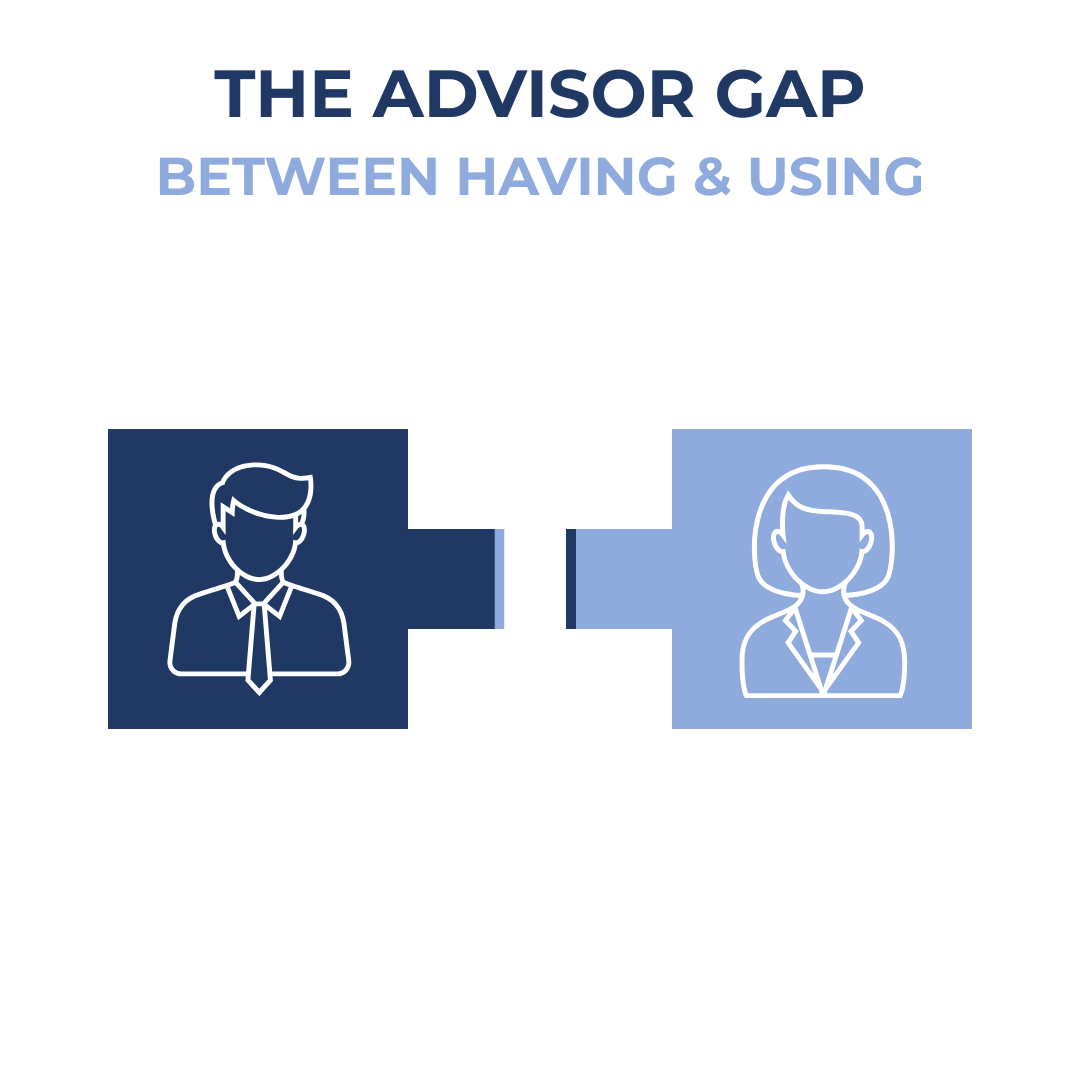
The Advisor Gap
Most founders have advisors. Not many actually use them.
The calendar fills up. Monthly check-ins happen. Updates get shared, the advisor offers some perspective, and the founder walks away feeling good about the direction they were already heading. Nothing shifts. The same blind spots stay intact.
Having an advisor and using one are two very different things.
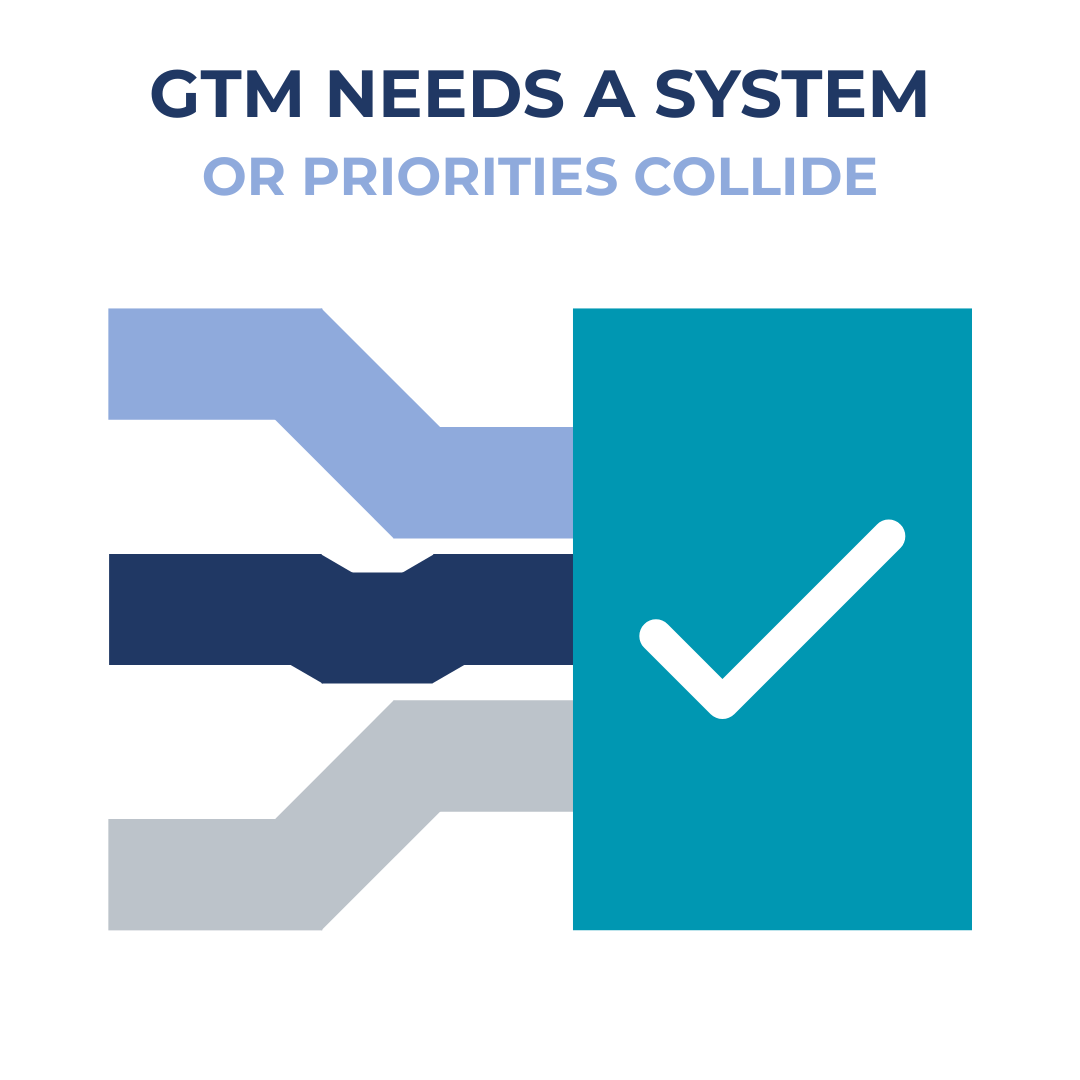
GTM Needs a System
Growth meetings usually sound productive.
Marketing is reporting campaign performance.
Sales is walking through pipeline.
Product is reviewing the roadmap.
Each team is doing its job. What’s usually missing is the system connecting those jobs into one growth engine.
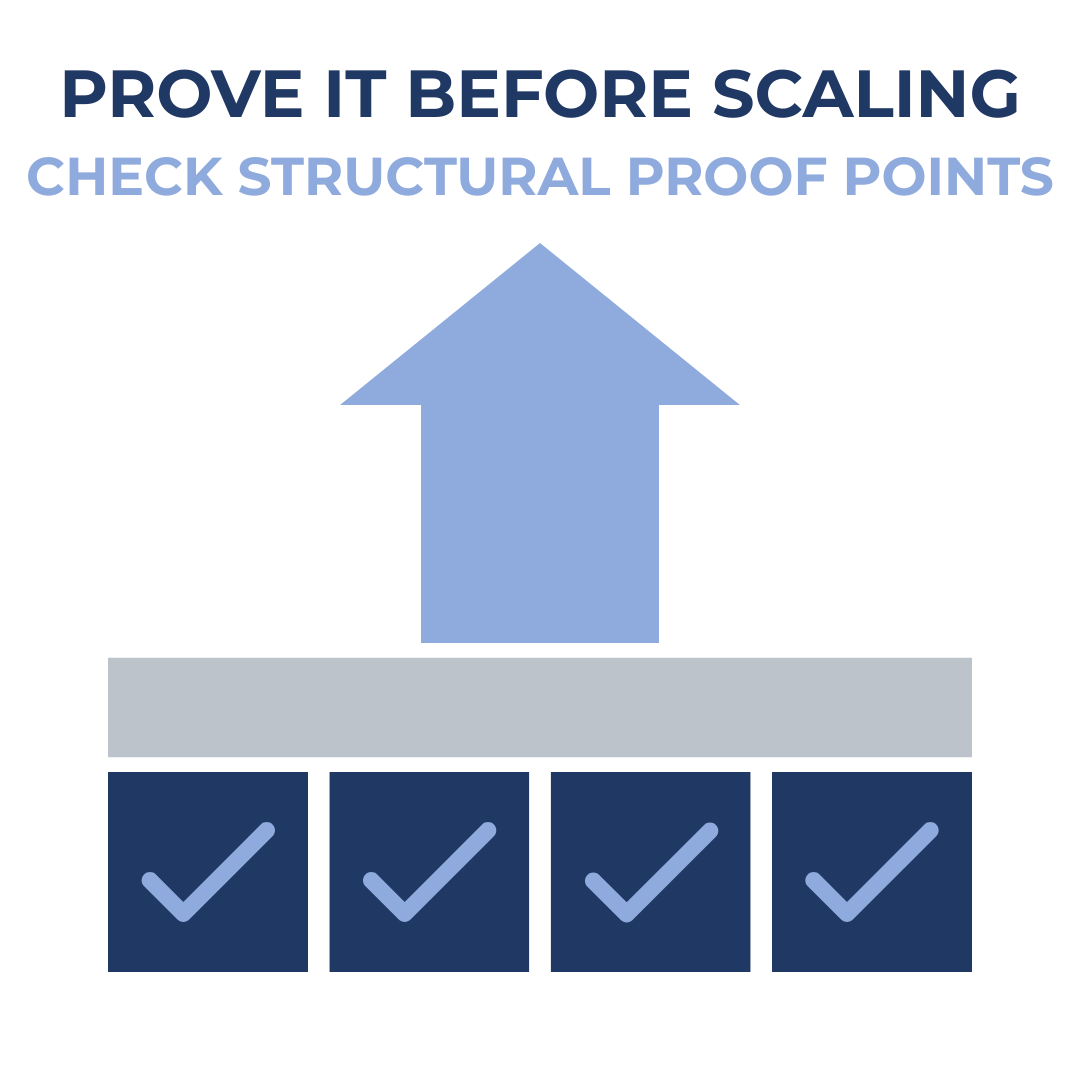
Prove It Before Scaling
Most founders scale off signals. Operators scale off proof.
Ads convert. A retailer commits. An influencer spike moves units. Early velocity looks strong. The instinct is to push harder. That is usually where weakness gets amplified.
Signals create confidence. Proof creates readiness. They are not the same.
Marketing to EBITDA
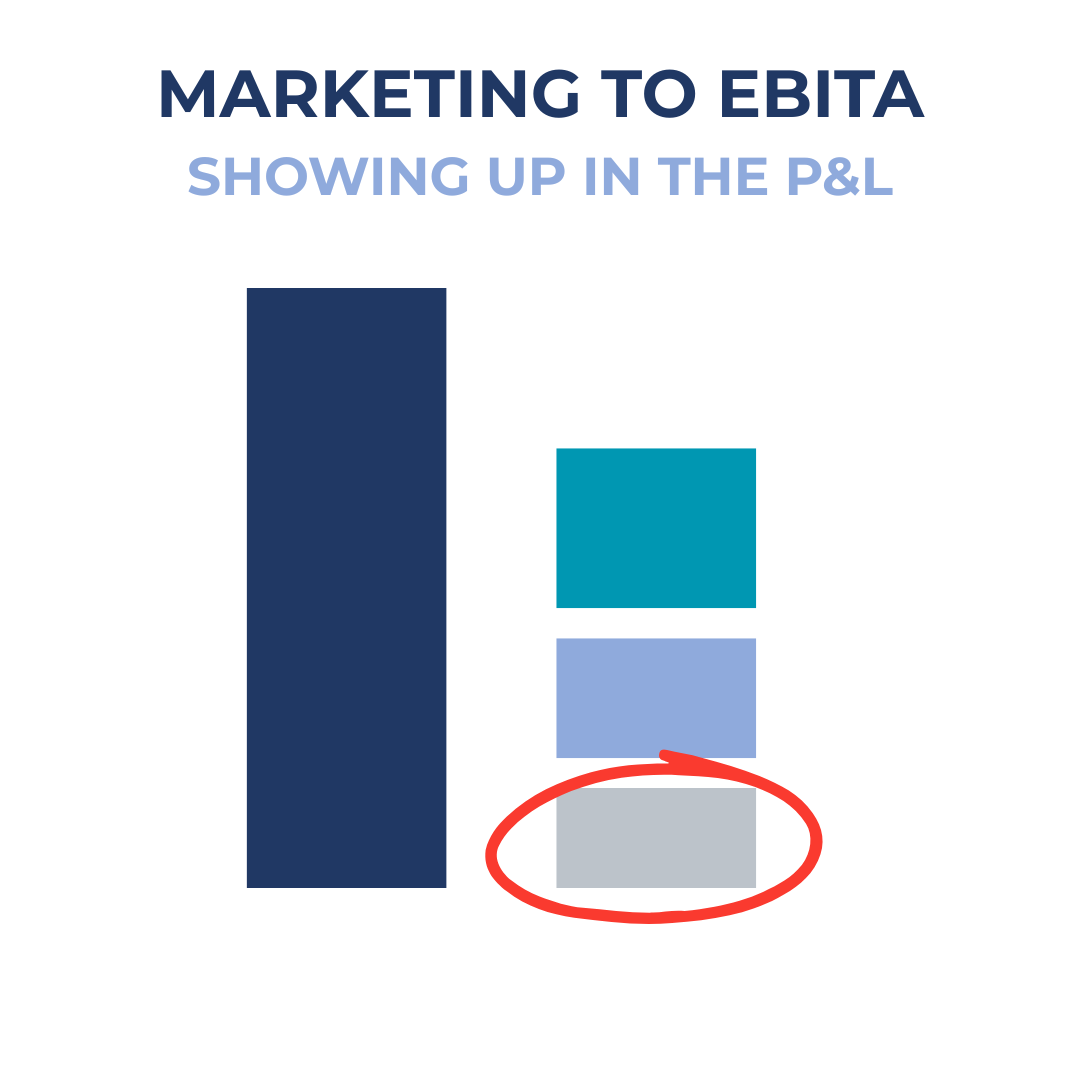
I’ve seen this pattern more than once. Revenue is climbing. CAC looks efficient. The dashboard is clean. The team is reinvesting because, on paper, it’s working.
But cash is tighter than expected. Contribution margin moves around. Payback stretches. Inventory builds. The runway does not extend the way it should.
Nothing looks broken. And yet the EBITDA story is hard to explain. If marketing cannot clearly tie to EBITDA, it is not growth. It is activity.
Protecting What Works
Most growth doesn’t fail. It gets interrupted.
Things start moving. Early signals show promise. Momentum begins to build, even if it’s uneven. That’s when pressure shows up. Leaders want confirmation. They want speed. They want to know if this is the thing.
That’s usually the moment growth breaks. Not because nothing is working. Because what is working stops being protected.
The Follow-Through Gap
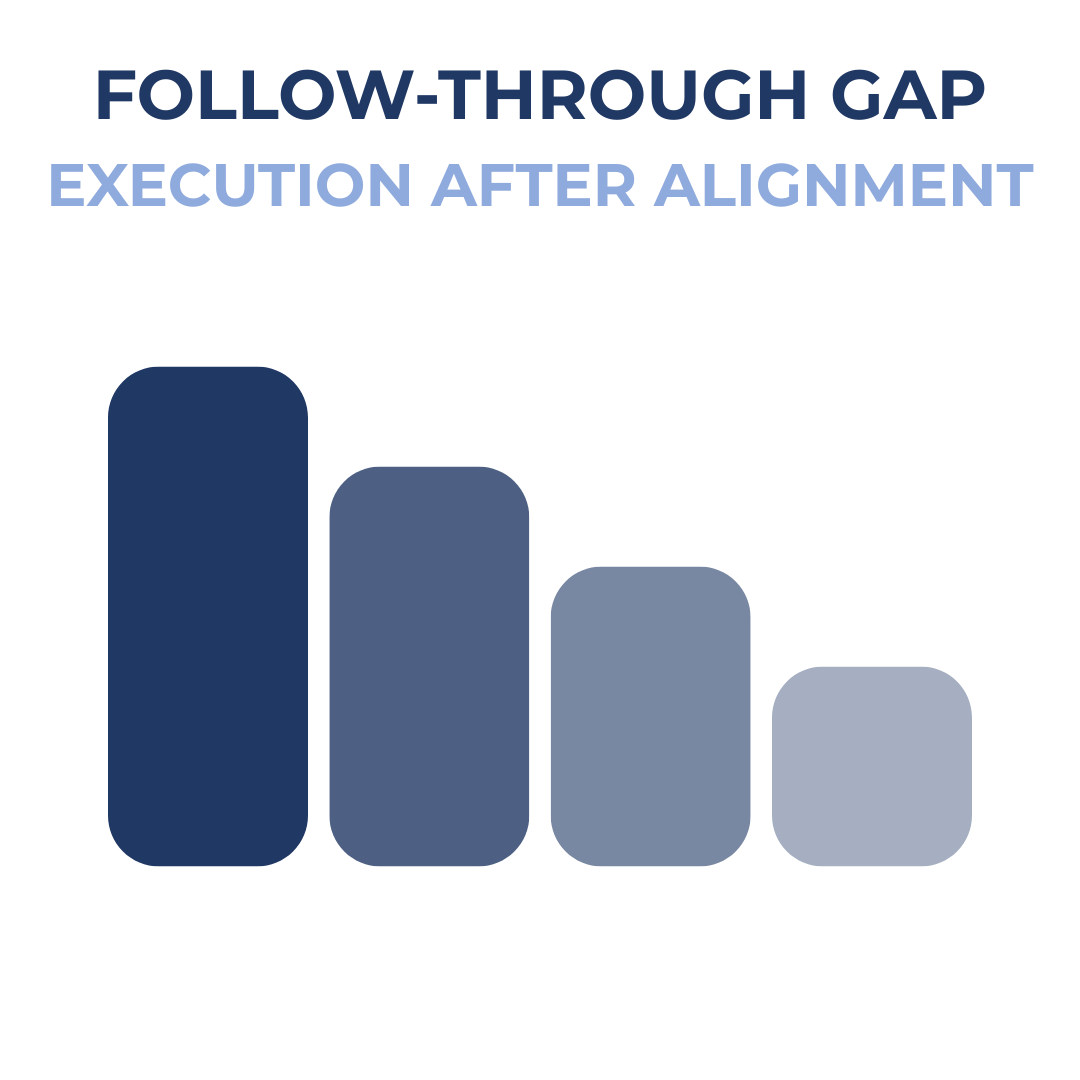
Strategy isn’t the hard part of business, it is what happens after alignment.
The plan is clear. Priorities are agreed on. Everyone nods in the room. For a few weeks, the work feels focused. Then momentum thins. Decisions slow. New requests creep in. The original focus is still “important,” but it’s no longer protected.
Nothing blew up. Execution just didn’t hold.
Signals vs. Noise
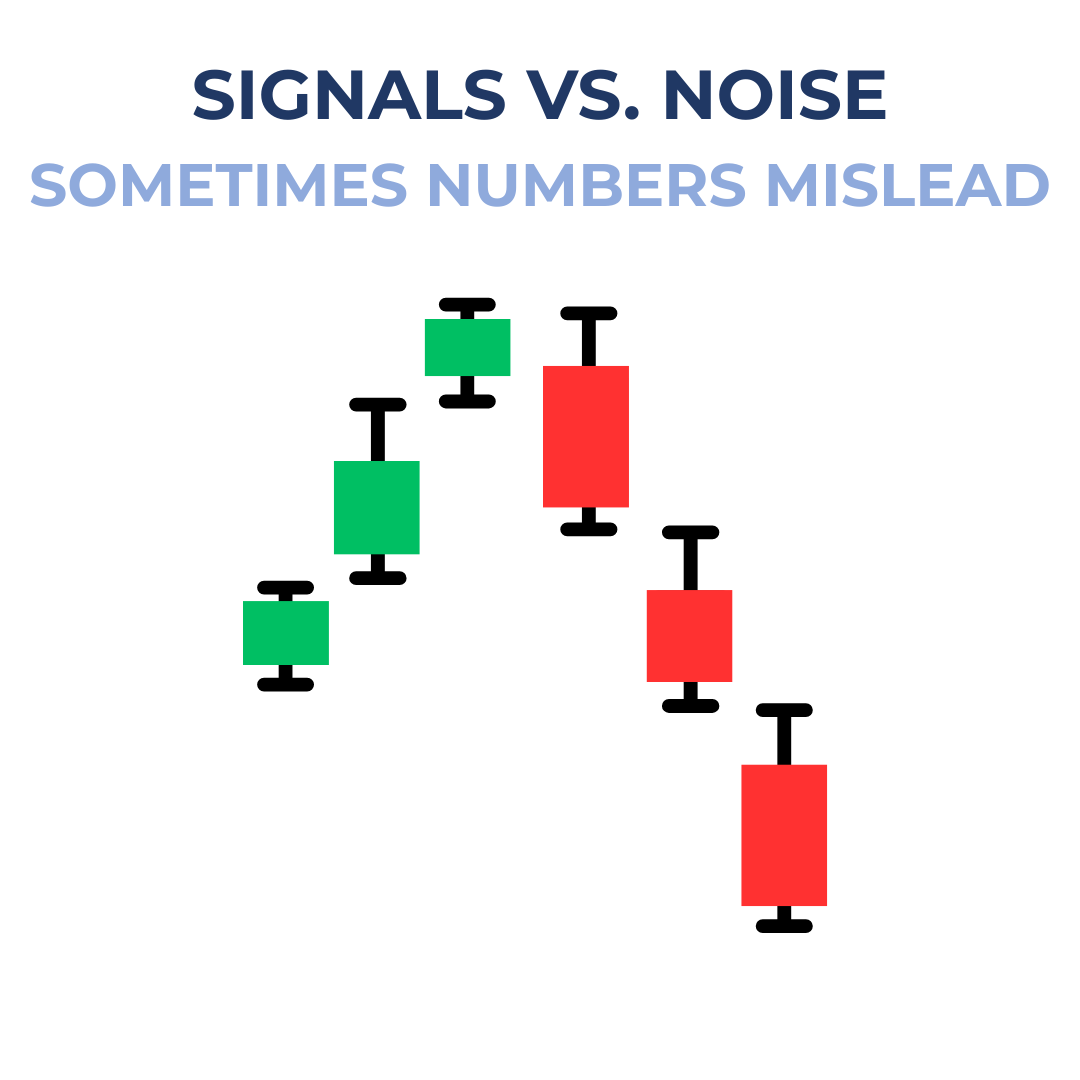
I’ve seen cases where growth problems don’t just show up when the numbers are bad.
They show up when the numbers look good and decisions start feeling easier instead of sharper. Dashboards are green. Performance appears stable. Confidence rises. Teams keep pushing.
That’s usually when misinterpretation begins. Not because the metrics are wrong. Because they’re being taken at face value.
Waiting Is a Decision
Most growth problems don’t start with bad execution. They start with hesitation.
I see this constantly when working with founders and leadership teams. Smart people. Good instincts. Plenty of ideas. But when a decision shows up that carries real risk, things slow down.
Not because no one cares. Because no one wants to choose wrong. So teams wait. More data. More input. More time.
What gets missed is simple: waiting is still a decision. And it has consequences.

The People Factor Is The Real Factor
I haven’t posted in a bit. That wasn’t an accident. I took some time to be a human. Time with family. Time with my nieces and nephews.
And yes, I picked up a minor cold along the way. Which is what happens when you spend time around little humans who are equal parts joy and germ factory. Nothing dramatic. Just a reminder.
The people factor is the real factor.
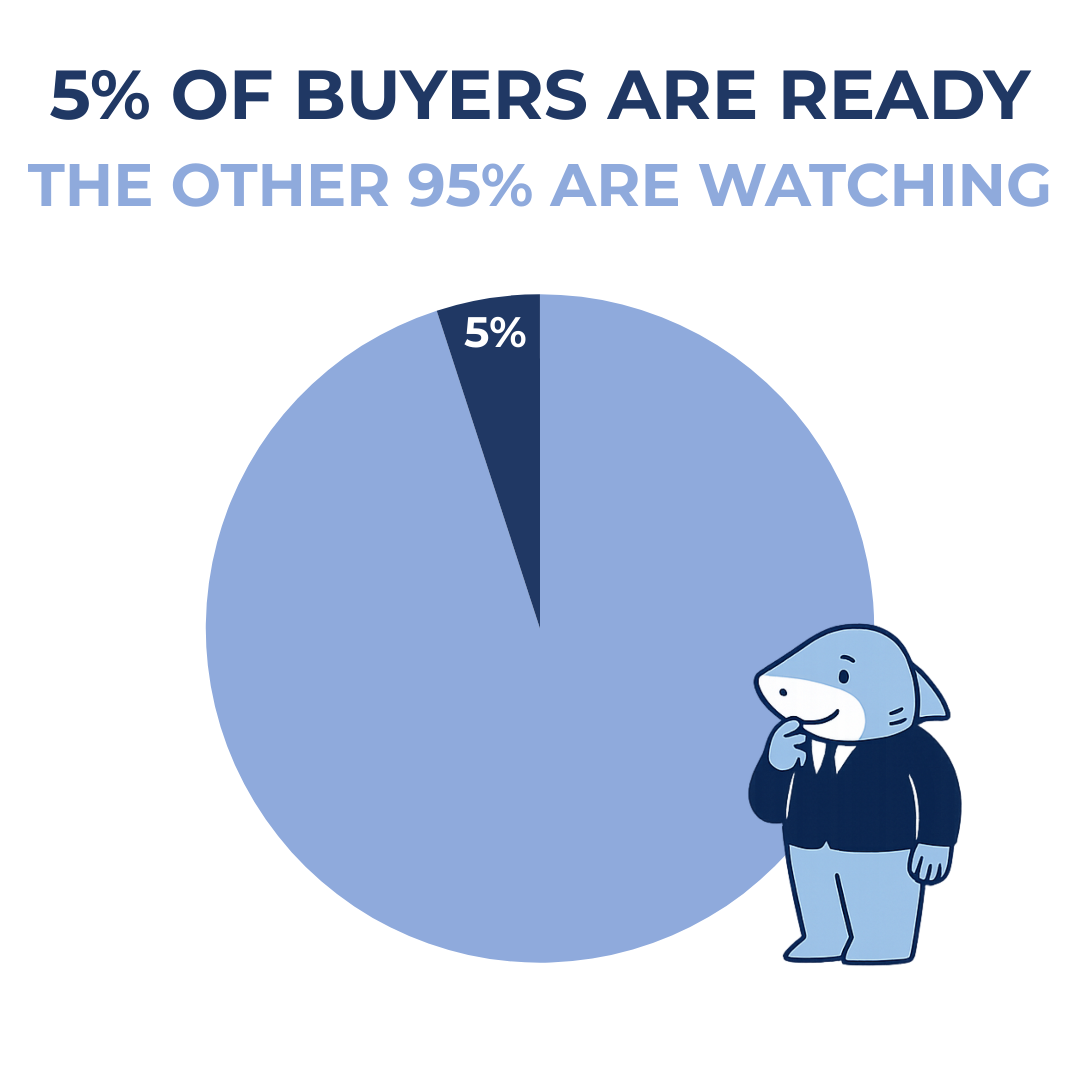
Most of Your Buyers Aren’t Ready to Buy
Most business leaders assume marketing is supposed to convert. If it does not, something must be wrong.
The message. The channel. The offer.
But here is the reality most teams miss. At any given moment, the majority of your market is not actively buying. They are paying attention. They are forming opinions. They are deciding what feels credible and familiar. They are just not ready yet.
And when your marketing only speaks to buyers who are ready right now, it creates a system that feels expensive, fragile, and inconsistent.
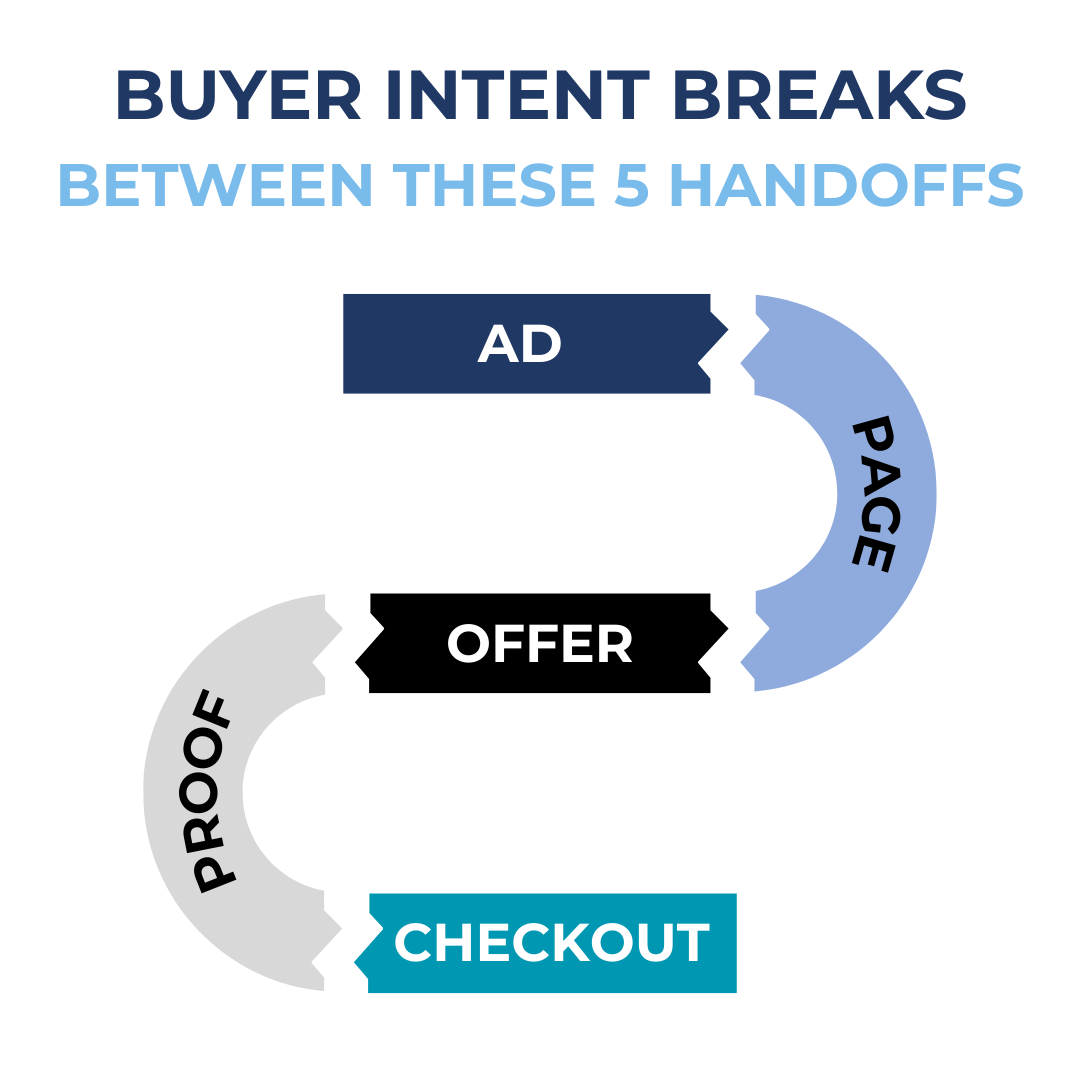
You’re Leaking Buyer Intent in 5 Places
Most founders assume their growth problem is traffic, conversion rate, or the funnel itself. More clicks should fix it. Better creative should fix it. A new channel should fix it. But in many cases, the demand already exists. What is missing is continuity.
Buyer intent forms, then quietly disappears as people move through your system. Not because they lost interest. Because something broke the chain.